

Mmm… You were looking for something that wasn’t there.
Maybe this can help:

Listen to the Culture Matters Podcast
You can get it for free on iTunes

You can get it for free on Stitcher Radio

How to Overcome Cultural Difference When Doing Business
Avoid the Mistakes That Others Make When Doing Business Internationally
Sport and Cultural Identity
Sport and Cultural Identity during the Winter Olympics 2026 Gold, Grit, and Global Identity: How Sport Shapes Cultural Storylines Every four years, the world gathers around stadiums, ski slopes, swimming pools, and running tracks. Flags rise. Anthems sound. Medals...
Performance Reviews and Appraisal System
Performance Reviews Across Cultures: Why Global Appraisal Systems Fail In multinational organizations, few HR tools create as many problems as the Performance Reviews and Appraisal System. Designed to evaluate performance, encourage development, and ensure fairness,...
Embassies and Cultural Competence
Embassies and Cultural Competence This is why it's important. In today’s connected world, embassies play a crucial role in bridging the cultural and political gaps between countries. They not only handle government relations; they’re also at the heart of business,...
Get a Taste of How Chris Presents, Watch his TEDx Talk
 Call Direct: +32476524957
 Call Direct: +32476524957
European Office (Paris) Whatsapp: +32476524957
 European Office (Paris) Whatsapp: +32476524957
The Americas (USA; Atlanta, GA; también en Español): +1 678 301 8369
Book Chris Smit as a Speaker
If you're looking for an Engaging, Exciting, and Interactive speaker on the subject of Intercultural Management & Awareness you came to the right place.
Chris has spoken at hundreds of events and to thousands of people on the subject of Cultural Diversity & Cultural Competence.
This is What Others Say About Chris:
- “Very Interactive and Engaging”
- “In little time he knew how to get the audience inspired and connected to his story”
- “His ability to make large groups of participants quickly and adequately aware of the huge impact of cultural differences is excellent”
- “Chris is a dedicated and inspirational professional”
In addition, his presentations can cover specific topics cultural topics, or generally on Cultural differences.
Presentations can vary anywhere from 20 minutes to 2 hours and are given worldwide.
Book Chris now by simply sending an email. Click here to do so.
Read more about what Chris can do for you.
- Percentage of People Rating a Presentation as Excellent 86%
- Rating the Presentation as Practical 89%
- Applicability of Chris' presentation 90%
About Peter van der Lende
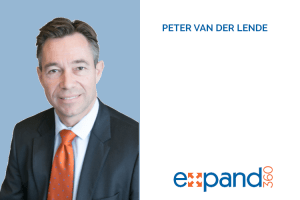
Peter has joined forces with Culture Matters.
Because he has years and years of international business development experience joining forces therefore only seemed logical.
Being born and raised in the Netherlands, he has lived in more than 9 countries of which most were in Latin America.
He currently lives in Atlanta, Georgia (USA) with his family.
You can find out more at https://expand360.com/
Or find out what Peter can do for you here.